Kai Krause · 15 November 2026
How Virtual Resource Tracking Systems Are Changing Inventory Practices Among Independent Makers in Remote Regions
Virtual resource tracking systems combine cloud-based software, RFID tags, and satellite connectivity to monitor raw materials and finished goods across dispersed locations, and independent makers in remote regions have integrated these tools into daily operations at increasing rates since 2024. Data from government statistical agencies shows adoption rates climbing from 18 percent to 34 percent among rural craft enterprises between 2023 and 2025, driven by the need to coordinate limited shipments over long distances where traditional spreadsheets fall short.
Core Functions of These Systems in Isolated Settings
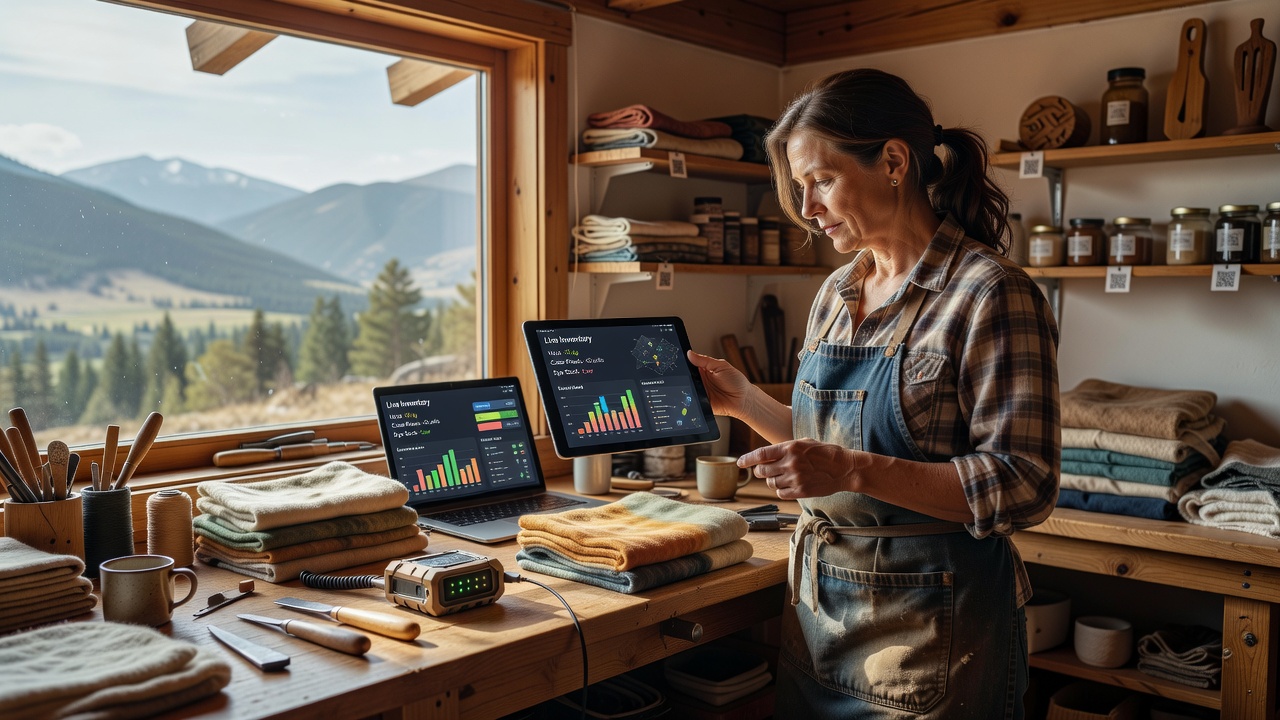
Systems record every unit of wool, clay, timber, or metal as it moves from supplier to workshop, then onward to markets, and they update counts automatically when makers scan items or when sensors detect changes in storage conditions. Makers in the Yukon Territory and the Scottish Highlands now receive alerts on low stock levels days before shortages occur, whereas previous manual counts often missed discrepancies until orders went unfilled. Connectivity via low-earth orbit satellites keeps records current even when cellular service drops for hours or days.
Shifts in Daily Inventory Routines
Independent makers once tallied bolts of fabric or bundles of reeds at the end of each week using paper ledgers, yet platforms now allow batch uploads from mobile devices that sync with central dashboards shared among cooperative members hundreds of kilometers apart. This change reduces recounting errors that previously reached 12 percent in seasonal audits, according to figures released by Statistics Canada in its 2025 rural enterprise survey. Makers also schedule replenishment orders through the same interface, cutting lead times from three weeks to ten days on average in regions where roads close during winter months.
Case Examples from Dispersed Communities
One cooperative of weavers in northern Australia began tagging dyed yarns in March 2025, and within six months the group reported that unsold inventory dropped by 22 percent because the system flagged slow-moving colors and prompted targeted outreach to buyers via integrated messaging tools. In parallel, a network of woodworkers across northern Sweden adopted GPS-enabled tags on lumber shipments, allowing real-time rerouting when storms blocked primary roads, and delivery reliability rose from 71 percent to 89 percent during the 2025-2026 season.

These adjustments occurred without central warehouses, relying instead on distributed storage points that the software maps automatically. Observers note that makers who previously competed for the same scarce truck space now coordinate loads through shared calendars embedded in the tracking platforms, lowering per-unit transport costs by measurable margins.
Data Patterns Across Regions
Reports compiled by the OECD in its 2026 digital economy outlook indicate that remote enterprises using virtual tracking cut excess material purchases by 15 to 19 percent compared with peers still relying on periodic physical counts. The same dataset reveals higher accuracy in forecasting demand spikes tied to tourist seasons or online marketplace promotions, because historical movement data accumulates automatically rather than requiring manual entry. European Commission statistics released in October 2026 further show that makers in the Outer Hebrides and Lapland achieved 30 percent faster restocking cycles once satellite-linked systems replaced voice calls to suppliers.
Integration with Existing Supply Networks
Virtual systems interface directly with supplier portals and regional freight services, so an order placed in a remote Alaskan village updates stock levels visible to both the maker and the material provider within minutes. This linkage replaces staggered phone or email confirmations that once introduced delays of several days. Makers report fewer instances of over-ordering during peak production periods, since projected usage rates draw from actual past consumption rather than estimates. The transition also supports compliance with traceability requirements now common in export markets for artisanal goods, because each tagged item carries a digital history from source to sale.
November 2026 Snapshot
As of November 2026, platform providers have expanded offline caching features that allow makers to continue logging movements during multi-day outages, then reconcile records automatically once connectivity returns. Government-backed training programs in Canada and Australia have reached more than 1,200 independent makers this year, focusing on basic data interpretation rather than advanced coding. These sessions emphasize how to interpret dashboard alerts about temperature fluctuations that affect stored fibers or resins, turning raw sensor output into practical decisions about storage rotation.
Conclusion
Virtual resource tracking systems continue to alter how independent makers in remote regions record, move, and replenish materials by replacing periodic manual audits with continuous digital updates. The documented reductions in waste, lead times, and coordination friction appear across multiple geographic datasets, and further refinements in satellite reliability and sensor durability point to continued expansion of these practices through the remainder of the decade.