
Gisela Hoffmann · 18 October 2026
Material Sourcing Innovations Reshaping Artisan Workflows in Niche Markets
Material sourcing innovations have introduced new tools and systems that connect artisans in niche markets with suppliers more efficiently, and these developments rely on digital platforms, traceability technologies, and alternative material streams that reduce traditional procurement delays. Researchers tracking supply chain patterns note that artisans working with specialized materials such as rare woods, natural dyes, and recycled metals now access data-driven matching services that align specific requirements with available inventories across multiple regions.
Digital Platforms Streamline Supplier Connections
Online marketplaces dedicated to raw materials allow artisans to filter options by origin, certification status, and delivery timelines, while algorithms suggest substitutions when primary sources face shortages. Data from the European Commission indicates that such platforms have expanded access for small-scale producers in the European Union, where regulatory frameworks encourage transparent sourcing records for textiles and ceramics. These systems operate through standardized product listings that include chemical composition details, and artisans who adopt them report shorter lead times between order placement and material arrival.
Blockchain Enhances Traceability Standards
Blockchain applications record each transfer point in a material's journey from extraction to workshop, creating immutable logs that verify ethical harvesting or recycling claims. Observers in the industry point out that jewelers and furniture makers in niche segments use these ledgers to meet buyer expectations for documented provenance, particularly when dealing with conflict-free minerals or sustainably logged timber. As of October 2026, integration of these ledgers into procurement software has become more common among suppliers serving independent makers in North America and parts of Asia.
Alternative Materials Expand Creative Options
Bio-based composites and upcycled polymers have entered artisan supply chains as viable replacements for conventional inputs, and studies from the Australian Department of Industry, Science and Resources show increased adoption rates in craft sectors focused on sustainable product lines. These materials undergo processing that preserves aesthetic qualities while meeting durability benchmarks, allowing ceramicists and textile artists to experiment without compromising structural integrity. Suppliers now provide sample kits through digital catalogs, enabling makers to test compatibility before committing to bulk purchases.
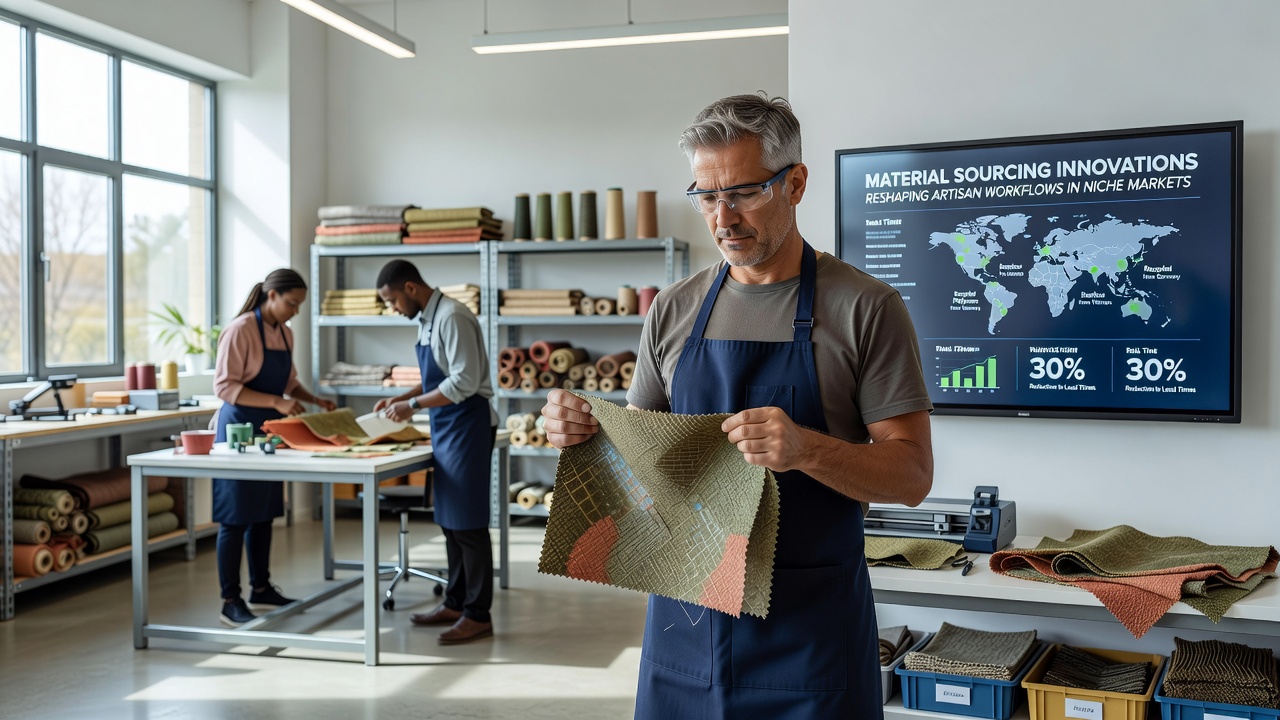
Local sourcing networks powered by geographic information systems help artisans locate nearby producers of clay, fiber, or metal scraps, cutting transportation emissions and supporting regional economies. Government reports from Canada highlight how provincial programs map these resources and connect them to craft communities through open data portals, which reduces reliance on imported stock during periods of global logistics disruption.
AI Tools Optimize Inventory and Forecasting
Artificial intelligence applications analyze historical usage data alongside market trends to predict material needs, and artisans in specialized fields such as leatherwork or glassblowing use these forecasts to maintain steady workflows without excess storage costs. Research from the University of Toronto's Centre for Industrial Relations and Human Resources documents how small operations integrate these predictions into scheduling software, resulting in fewer production interruptions when seasonal demand shifts occur. The technology cross-references weather patterns, trade policy changes, and supplier capacity reports to flag potential shortfalls weeks in advance.
Workflow Adjustments Follow Technology Adoption
Once new sourcing channels become active, artisans adjust studio layouts and skill sets to accommodate variable material batches, and training programs offered by trade associations cover quality assessment techniques for recycled inputs. These adjustments often involve modular storage solutions and updated safety protocols for handling novel composites. Figures from industry surveys reveal that workshops incorporating such changes maintain output levels even when traditional suppliers alter their offerings.
Conclusion
Material sourcing innovations continue to influence how artisans in niche markets manage procurement, quality control, and production timing through interconnected digital and physical systems. Evidence from regulatory bodies and academic studies demonstrates measurable shifts in supply reliability and material diversity as these tools gain wider use across different continents. Those who monitor sector developments expect further refinements in traceability and forecasting capabilities to support ongoing adaptation in specialized craft environments.