Gisela Hoffmann · 1 November 2026
Shifts in Collaborative Strategies Among Craftspeople Utilizing Advanced Digital Coordination Systems
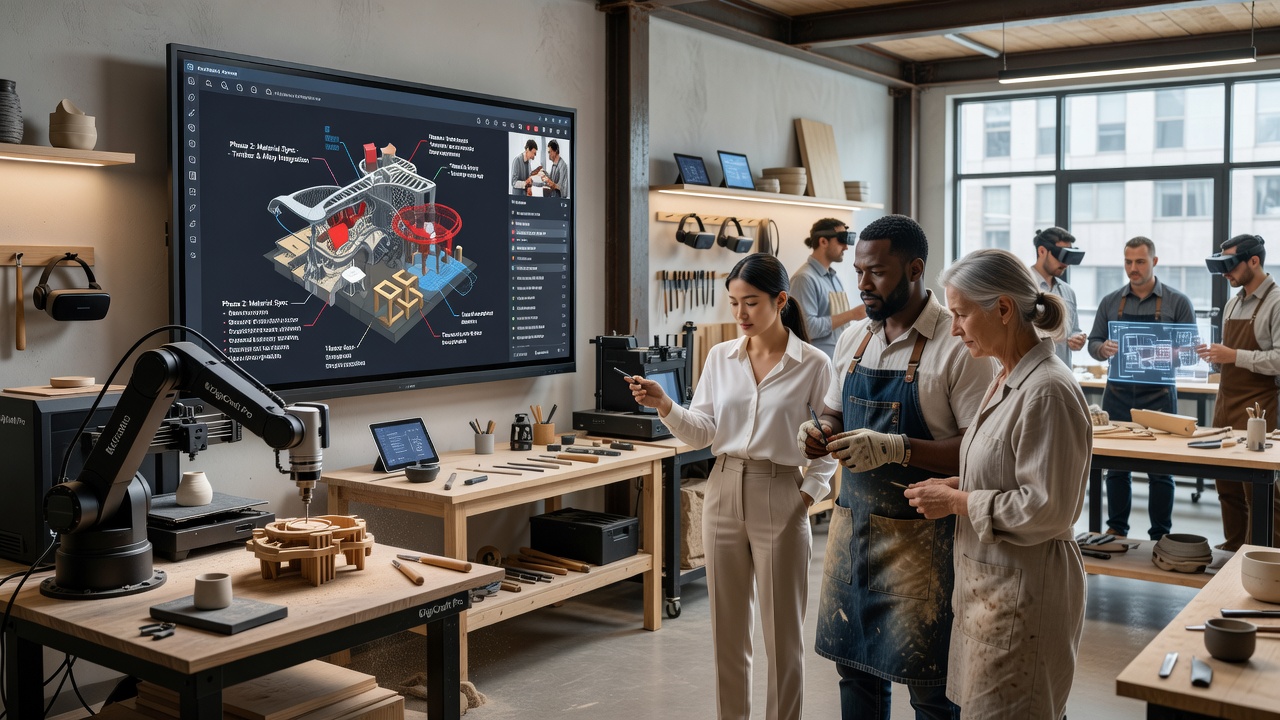
Craftspeople have adapted their working methods as advanced digital coordination systems enable real-time project management across distributed teams, and data from the European Commission shows adoption rates climbing steadily through 2025 into late 2026. These platforms integrate shared design files, automated scheduling, and version tracking that replace earlier email chains and physical meetings, while regions such as the EU and North America report measurable gains in output coordination.
Expansion of Toolsets and Platform Features
Digital systems now combine cloud-based modeling software with AI-driven task allocation that adjusts timelines based on material availability and team capacity, according to industry analyses from the National Institute of Standards and Technology. Craftspeople in ceramics, woodworking, and textile fields use these features to synchronize contributions from specialists located in separate cities or countries, and integration with inventory databases reduces delays that once occurred when one participant awaited confirmation from another. Observers note that such coordination extends beyond simple file sharing because algorithms flag potential conflicts in design specifications before they reach production stages.
Small collectives that previously relied on local networks have expanded their reach through these tools, allowing a metalsmith in one location to adjust parameters while a weaver elsewhere modifies thread patterns in the same shared workspace. Research from the University of Melbourne indicates that projects completed with multi-user digital platforms show fewer revisions in final outputs compared with earlier analog methods, and this holds true across both established studios and emerging maker groups active in November 2026.
Observed Patterns in Team Structures
Traditional hierarchies within craft workshops have given way to flatter arrangements where participants contribute based on specialized skills rather than fixed roles, and platform analytics help distribute workload evenly. Data compiled by the Australian Department of Industry reveals that collaborative networks using digital coordination report higher participation from independent artisans who join specific phases of a project without committing to full-time involvement. These fluid teams often form around individual commissions and dissolve once deliverables are complete, yet the underlying systems retain records that support future recombinations of the same members.
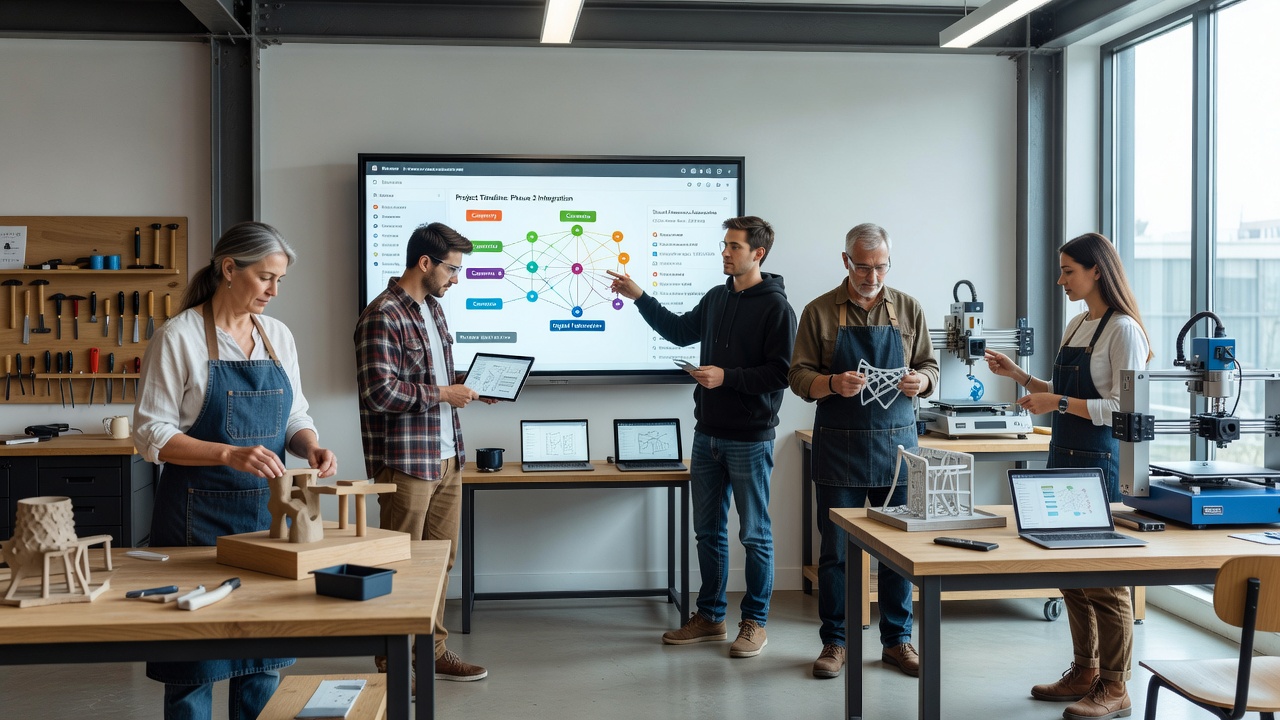
Case examples include a Scandinavian furniture collective that coordinates timber sourcing, joint cutting, and finishing across three countries through a single dashboard, while an American fiber arts group manages dye batch consistency and loom scheduling for members spread across multiple states. Such arrangements rely on permission settings that grant temporary access to sensitive design elements, and security protocols within the platforms prevent unauthorized alterations during active collaboration phases.
Data Trends and Regional Variations
Figures released in 2026 by the European Commission's digital innovation hubs track a 34 percent increase in registered craft collaborations on coordinated platforms since the prior year, with stronger uptake among groups handling bespoke rather than standardized items. North American statistics align closely, though Canadian craft councils report slightly slower integration rates attributed to varying internet infrastructure in rural areas. These numbers reflect not only larger project volumes but also shorter cycle times from initial concept to completed piece, as coordination reduces idle periods between stages.
Training programs offered by trade organizations now include modules on platform navigation, and participants who complete these sessions demonstrate faster onboarding when joining new teams. The systems themselves continue to evolve with added modules for material traceability that satisfy regulatory requirements in export markets, and this functionality supports compliance documentation without separate administrative efforts.
Conclusion
Advanced digital coordination systems have reshaped how craftspeople organize their joint efforts by replacing sequential handoffs with simultaneous contributions and centralized oversight. Records from government agencies and academic institutions confirm that these shifts produce measurable improvements in project visibility and resource allocation across multiple regions. As platforms incorporate further refinements, the patterns established through 2026 suggest continued expansion of distributed craft networks that operate with the same precision once limited to single-location workshops.